 Pin it
 My uncle's kitchen on a humid summer evening smelled like hot oil and something I couldn't quite name until he pulled golden catfish from the pan and I understood—that smell was memory itself. He taught me that soul food isn't fancy; it's honest, and it demands respect for the ingredient and the person eating it. The first time I made this without his standing over my shoulder, I burned the oil slightly and nearly gave up, but the catfish still turned out crispy and beautiful. That's when I realized the real secret wasn't perfection—it was caring enough to keep going.
Years ago, I cooked this for my grandmother when she came to visit, and watching her close her eyes on the first bite felt like the biggest compliment I'd ever received. She didn't say much—just smiled and went back for another piece—but that quiet moment taught me that feeding people well is a form of love. The remoulade sauce sat in the center of the table untouched for a few minutes because everyone was too busy enjoying the catfish plain, which somehow felt like the highest praise.
Ingredients
- Catfish fillets: Look for fresh or thawed fillets that feel firm and smell clean; avoid any that seem slimy or have a strong fishy odor, as these are signs of age.
- Buttermilk: The acidity tenderizes the fish and creates a tangy coating that helps the cornmeal stick; regular milk won't do the same job no matter how much you try.
- Hot sauce: Just a teaspoon in the buttermilk adds depth without overpowering; choose one with flavor you actually enjoy drinking since it becomes part of the taste.
- Yellow cornmeal: This is essential for that signature crunch and color; cornstarch alone won't give you that satisfying bite.
- All-purpose flour: It helps bind the cornmeal and creates a crisper, lighter crust than cornmeal alone.
- Paprika, garlic powder, onion powder, cayenne: These spices layer flavors and create that warm, slightly spicy profile that defines the dish; don't skip any.
- Vegetable oil: Use a neutral oil with a high smoke point, and resist the urge to reuse it for frying—fresh oil equals better tasting catfish.
- Mayonnaise: Choose a quality brand you trust; cheap mayo makes the remoulade taste thin and one-dimensional.
- Dijon mustard: The sharpness cuts through the richness of mayo and adds complexity that yellow mustard simply cannot match.
- Prepared horseradish: This is your secret weapon for that wake-up sensation in the sauce; it's what makes people pause and say they can't quite place that flavor.
- Sweet pickle relish: A touch of sweetness and acidity rounds out the remoulade and keeps it from being all heat.
- Fresh lemon juice: Bottled lemon juice tastes flat compared to the brightness of fresh squeeze, and it makes a real difference here.
- Smoked paprika: This adds a subtle smokiness that echoes back to old-school Southern cooking and depths the sauce.
Tired of Takeout? 🥡
Get 10 meals you can make faster than delivery arrives. Seriously.
One email. No spam. Unsubscribe anytime.
Instructions
- Soak the catfish:
- Whisk buttermilk with hot sauce in a shallow dish and submerge your catfish fillets, letting them sit for at least fifteen minutes while you prep everything else. This isn't just waiting time—it's the moment when the fish relaxes and becomes tender enough to cook through without drying out.
- Mix your dry coating:
- Combine cornmeal, flour, paprika, garlic powder, onion powder, cayenne, salt, and black pepper in another shallow dish, stirring everything together so the spices distribute evenly. Take a moment to smell the mixture; that's what your finished catfish should taste like.
- Heat the oil properly:
- Pour about an inch of vegetable oil into your deep skillet and let it reach 350°F before you start frying; use a thermometer if you have one, because guessing leads to either pale catfish or burnt edges. When the oil is ready, it should shimmer and move quickly when you tilt the pan.
- Dredge with intention:
- Remove each fillet from the buttermilk, let excess drip back into the dish for a second, then press it into the cornmeal mixture, coating both sides and the edges. Don't be timid about the coating—press gently but firmly so it adheres instead of sliding off in the hot oil.
- Fry until golden:
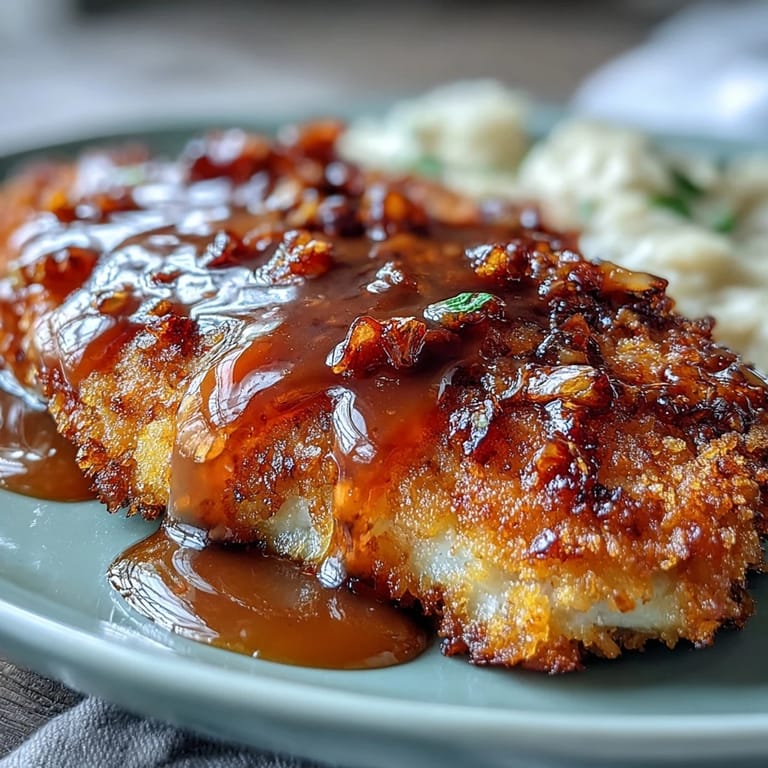
- Working in batches so you don't crowd the pan, slide fillets into the hot oil and fry for three to four minutes per side until they're a deep golden brown and the flesh flakes easily when tested with a fork. Listen for the sizzle to tell you when they're cooking properly; a quiet pan means the oil isn't hot enough.
- Build the remoulade:
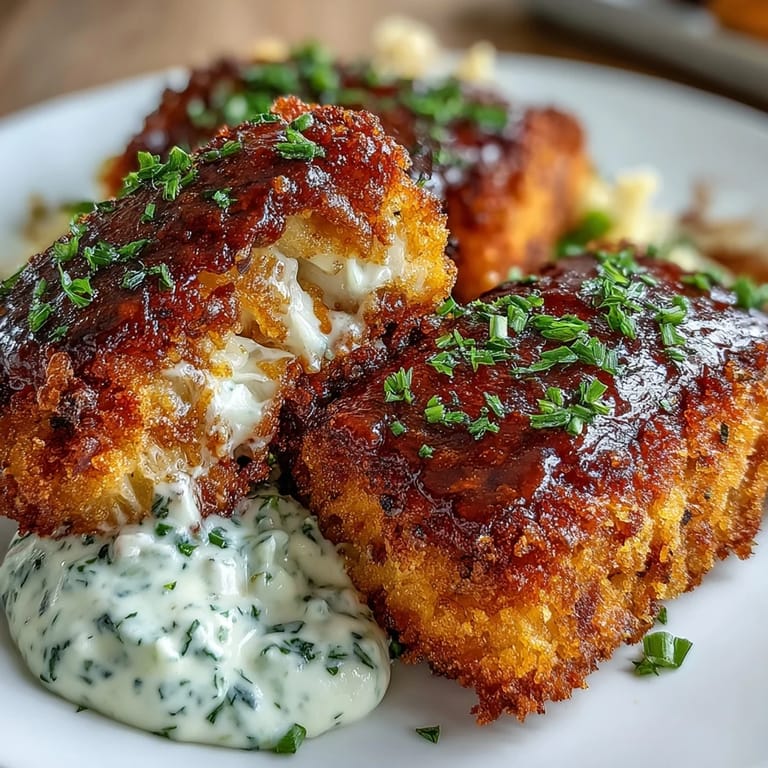
- While the fish cooks, whisk together mayo, Dijon mustard, horseradish, hot sauce, relish, lemon juice, minced garlic, smoked paprika, and parsley in a bowl. Taste it as you go and adjust salt and pepper; this sauce should taste bold enough to stand up to crispy fried fish without shame.
- Plate and serve:
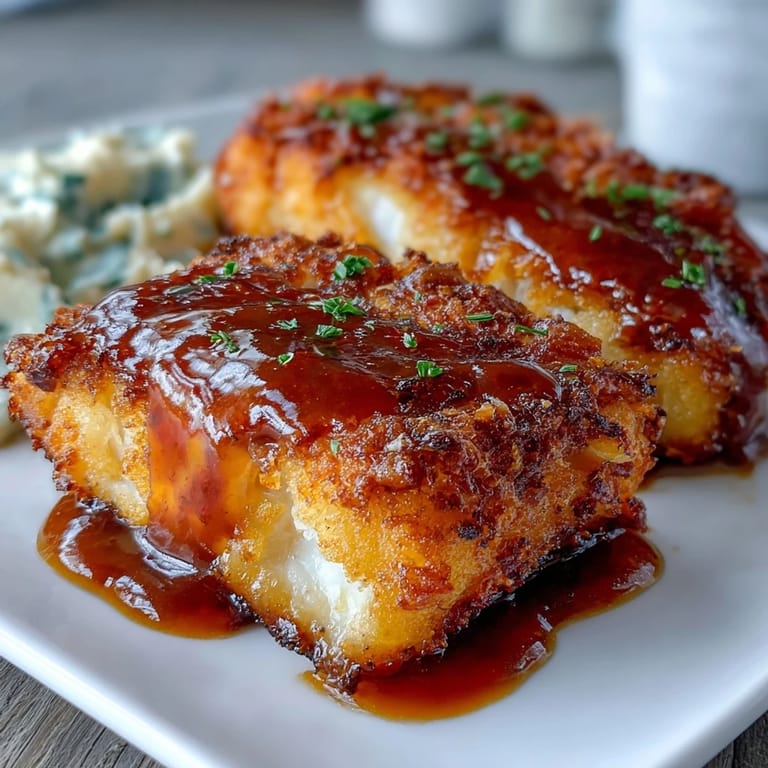
- Transfer your golden catfish to a paper towel-lined plate to drain for a minute, then arrange on serving plates with the remoulade sauce alongside for dipping and drizzling. Serve immediately while everything is still hot and the crust is at its crispiest.
 Pin it
 One unexpected thing happened when my teenage nephew watched me make this—he asked to learn how instead of just eating it, and we spent the afternoon together coating fish and talking about why food matters. That's when I realized this recipe does something beyond nourishing; it creates a reason for people to gather and share time.
The Double Dip Technique That Changes Everything
The first time someone mentioned double-dipping your catfish, I thought it sounded excessive and unnecessary, but then I tried it and understood why Southern cooks have been doing this for generations. You take the buttermilk-soaked fillet, dredge it in cornmeal as normal, then dip it back into the buttermilk for just a second and coat it again in the seasoned mixture. The result is a crust so substantial and crunchy that biting into it feels like a small celebration, and somehow the fish inside stays even more tender by comparison.
Why Oil Temperature Matters More Than Anything
I spent years thinking technique was everything until someone explained that oil temperature is actually the foundation of every successful fry, and suddenly everything made sense. If your oil is too cool, the fish absorbs grease and turns soggy; if it's too hot, the outside burns before the inside cooks through, leaving you with a black crust and an undercooked center. Getting it right takes practice and a thermometer, but once you nail that 350°F sweet spot, you'll understand why professional fryers obsess over this detail.
Building a Remoulade Sauce That Sings
The remoulade sauce transforms this dish from simple fried fish into something restaurant-worthy, and the key is understanding that every ingredient plays a specific role in the flavor profile. Horseradish brings heat and complexity, pickle relish adds sweetness and texture, lemon juice brightens everything, and smoked paprika whispers a hint of smoke that makes people wonder where that flavor comes from. Taste as you build, and don't be afraid to adjust; your sauce might need more lemon juice or an extra pinch of cayenne depending on the brand of mayo you use and the strength of your hot sauce.
- Make the remoulade sauce a few hours ahead so the flavors have time to marry and develop.
- Leftover remoulade keeps for up to a week in the refrigerator and tastes even better the next day as flavors meld.
- Use it on sandwiches, with shrimp, or as a dip for vegetables—it's too good to limit to just catfish.
 Pin it
 This recipe belongs on tables where people linger longer than they planned, talking and eating until the plate is empty and someone asks if there's more. Make it for people you care about, and watch how a simple piece of fried fish becomes the reason everyone gathered in the first place.
Recipe FAQ
- → What type of fish works best for this dish?
Catfish fillets are preferred for their firm texture, but tilapia or cod can be used as alternatives.
- → How can I make the coating extra crispy?
Double-dip the fillets by returning them to the buttermilk mixture and then dredging again in the cornmeal blend before frying.
- → What temperature is ideal for frying?
Heat the oil to 350°F (175°C) to ensure the fillets cook evenly and develop a golden crust.
- → Can the remoulade sauce be adjusted for heat?
Yes, adjust the hot sauce and horseradish quantities to control the spiciness of the remoulade.
- → What sides pair well with this dish?
Traditional options include coleslaw, hush puppies, or creamy grits to complement the flavors.