 Pin it
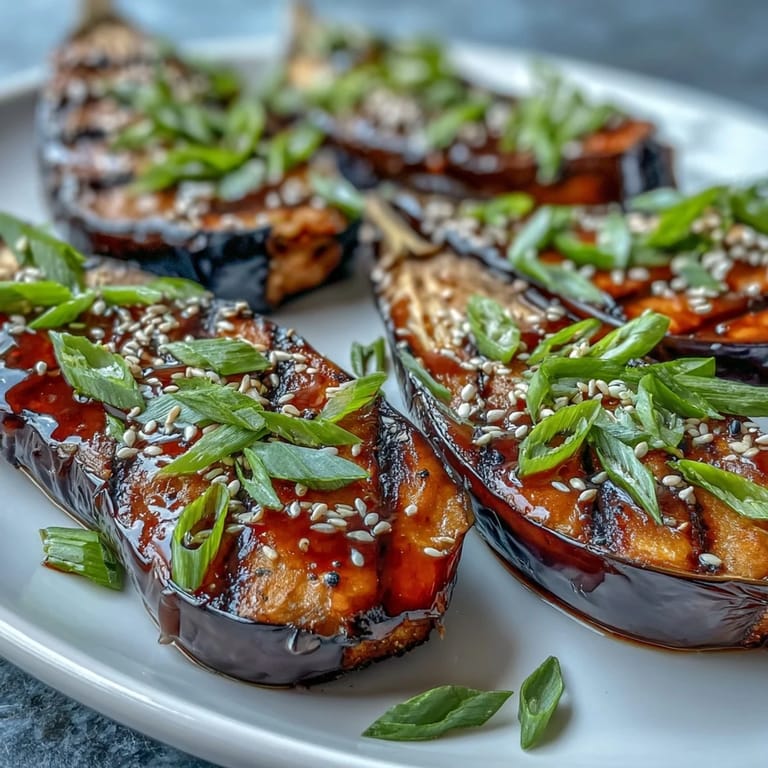
 My neighbor brought over a bento box one afternoon, and nestled among the rice and pickles was this glossy, caramelized eggplant that tasted nothing like the mushy vegetable I'd avoided for years. The miso glaze had this deep umami richness that made me lean in for another bite, then another. That evening, I started experimenting in my own kitchen, and after a few attempts of burnt edges and undercooked centers, I finally nailed the balance between tender flesh and that perfect charred, bubbly glaze.
I made this for my partner on a Thursday night when neither of us felt like ordering takeout, and watching their face light up when they tasted it was worth every minute. They asked for the recipe immediately, which meant I'd actually created something they'd request again and again. Now it's become our go-to when we want something that feels special but doesn't trap us in the kitchen for hours.
Ingredients
- Japanese eggplants: Their thin skin and smaller size mean they cook through evenly without becoming waterlogged, unlike the larger globe varieties that hide tough centers.
- White miso paste: Milder and slightly sweeter than red miso, it creates a glaze that caramelizes beautifully without overpowering the delicate eggplant flesh.
- Mirin: This sweet rice wine adds complexity and helps the glaze caramelize, but if you can't find it, a touch of honey works as a pinch-hit substitute.
- Sake: Just a tablespoon adds a subtle depth that rounds out the sweetness, though you can use water in a rush.
- Sugar: Balances the saltiness of the miso and ensures the glaze bubbles and browns under the broiler.
- Sesame oil: Brushed on the eggplant before roasting, it prevents sticking and adds a toasty flavor that complements the glaze.
- Toasted sesame seeds and green onions: These aren't just pretty garnish—they add a final crunch and brightness that cuts through the richness of the miso.
Tired of Takeout? 🥡
Get 10 meals you can make faster than delivery arrives. Seriously.
One email. No spam. Unsubscribe anytime.
Instructions
- Set up your workspace:
- Preheat your oven to 400°F and line a baking sheet with parchment paper so you're not scrambling later.
- Halve and score the eggplants:
- Cut each eggplant lengthwise into two halves, then use a sharp knife to score the flesh in a crosshatch pattern without cutting through the skin—this helps the heat penetrate and creates little pockets for the glaze to settle into.
- Oil and roast:
- Brush the cut sides with sesame oil, place them cut-side up on your sheet, and roast for 20 to 25 minutes until the flesh is tender and the edges start to turn golden. You'll know it's ready when a fork slides through easily.
- Make the glaze while eggplant cooks:
- Whisk together the miso paste, mirin, sake, sugar, and remaining sesame oil in a small bowl until you have a smooth, slightly thick paste with no lumps. Taste it—it should be sweet and salty at once, a perfect balance.
- Glaze and broil:
- Pull the roasted eggplants from the oven and spread a generous layer of miso glaze over each cut side. Switch your oven to broil, return the sheet, and watch carefully for 2 to 3 minutes until the glaze bubbles and caramelizes—it happens fast, and you don't want burnt.
- Finish with garnish:
- Remove from the oven, sprinkle generously with toasted sesame seeds and sliced green onions, and serve warm.
 Pin it
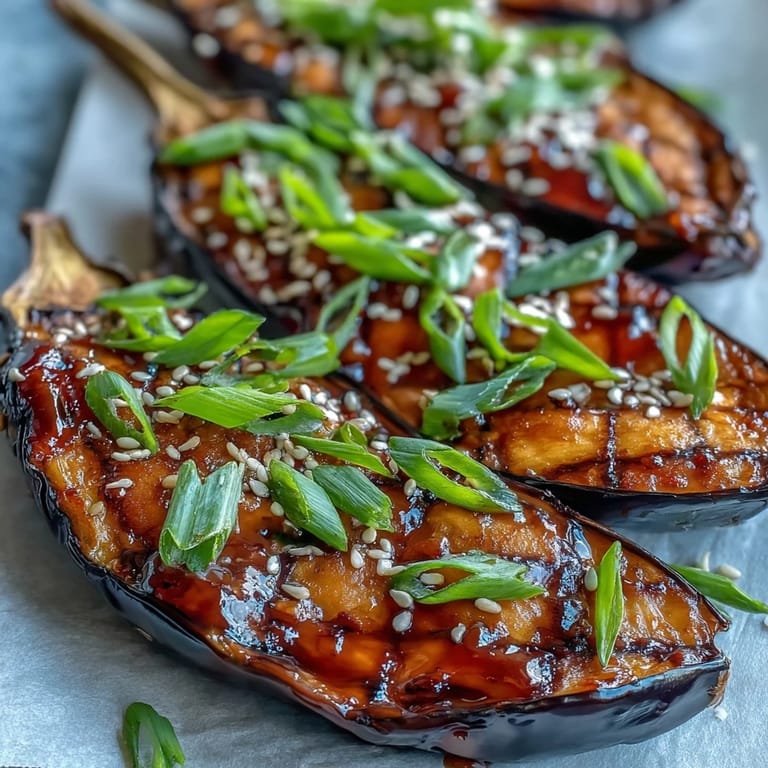
 My mother-in-law tasted this once and asked if we'd started ordering from a Japanese restaurant, which felt like the highest compliment. That moment taught me that simple ingredients and the right technique can feel like pure magic to someone sitting across the table from you.
Why This Glaze Works
The magic happens because miso paste contains umami compounds that intensify when caramelized—it's not just sweet or salty, but deeply savory in a way that makes eggplant taste luxurious. The mirin and sake bring out subtle sweetness without making the dish taste like dessert, while the sugar ensures everything browns and bubbles under high heat. Sesame oil ties it all together with a toasty undertone that feels intentional, not accidental.
Roasting and Timing
Getting the roast time right is everything, and honestly, it depends on how thick your eggplant halves are and how hot your oven runs. I've learned to test doneness with a fork rather than trust the clock—if you can slide it through the flesh without resistance, you're ready for the glaze. Starting at 20 minutes gives you a safety net; you can always throw them back in if they need five more minutes, but you can't fix overcooked eggplant once it happens.
Serving Suggestions and Storage
This dish is perfect alongside steamed rice and a simple soup, or nestled into a larger Japanese-inspired spread with pickles, seaweed salad, and grilled fish. Leftovers keep in the fridge for three days and are honestly just as good cold the next morning, though a quick reheat in the toaster oven brings back that glaze's glossy appeal. If you're feeding vegetarians or vegans, this stands beautifully as a main course, especially with a side of rice and miso soup to round out the meal.
- Make the glaze ahead if you're short on time—it keeps in the fridge for up to a week and comes together in seconds.
- If you can't find white miso, red miso works but will taste slightly earthier and more assertive.
- Toast your own sesame seeds if you have them on hand; the aroma and flavor beat store-bought by a mile.
 Pin it
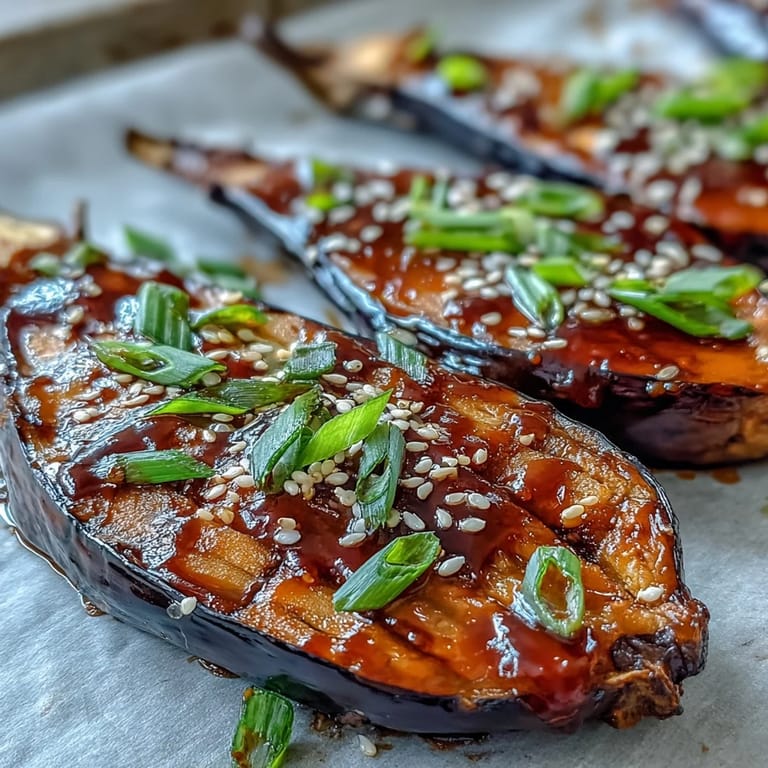
 This recipe taught me that vegetables deserve the same respect and technique we give to proteins, and that a simple glaze made from pantry staples can taste like you spent hours perfecting it. Every time I make it, I'm reminded that good food is about intention and a few key ingredients, nothing more.
Recipe FAQ
- → What type of eggplant works best?
Japanese or Chinese eggplants are ideal because they have thinner skin, fewer seeds, and a naturally creamy texture when cooked. Regular globe eggplants can be used but may need longer roasting time.
- → Can I make the glaze ahead of time?
Absolutely. The miso glaze can be whisked together up to a week in advance and stored refrigerated in an airtight container. Let it come to room temperature before using for easier spreading.
- → How do I prevent the glaze from burning?
Watch closely during the broiling step—the high sugar content means the glaze can go from perfect to burnt quickly. Stay near the oven and check every 30-60 seconds after the first minute.
- → What can I serve with miso eggplant?
This pairs beautifully with steamed jasmine rice, soba noodles, or quinoa. It also complements grilled fish, tofu, or works as part of a larger Japanese-inspired spread with pickles and miso soup.
- → Is this dish spicy?
No, the glaze focuses on sweet and savory flavors without any heat. If you enjoy spice, try adding a pinch of red pepper flakes or a drizzle of sriracha to the finished dish.
- → Can I grill this instead of broiling?
Yes. After roasting the eggplants until tender, finish them on a medium-high grill for 2-3 minutes per side to achieve the same caramelized effect with subtle smoky notes.