 Pin it
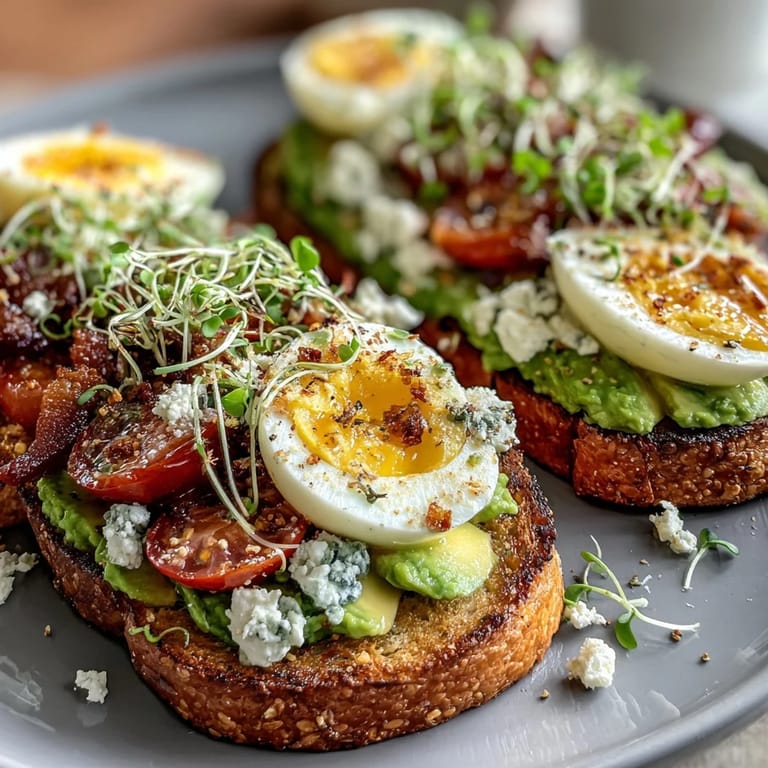
 My neighbor texted me at 10 AM on a Saturday asking if she could swing by with friends, and suddenly I had two hours to transform my kitchen into a brunch situation. I'd made avocado toast a hundred times, but that morning I realized the magic wasn't in the individual slices—it was in creating a whole board where everyone could build exactly what they wanted. The spread across my countertop became the conversation starter, the thing that made people linger and actually talk to each other instead of scrolling.
There was this one Sunday when my dad came over and kept adding different combinations to his toast like he was conducting an experiment—radish, then feta, then pumpkin seeds, then more lemon. By the third iteration he declared it perfect, then changed it again. That's when I knew this recipe worked because it gave people permission to play, to taste, to discover what they actually liked instead of defaulting to what they thought they should eat.
Ingredients
- Sourdough or multigrain bread (12 slices): The structure matters here—cheap white bread will get soggy and collapse under the weight of toppings, but good bread with a sturdy crumb holds everything without falling apart.
- Ripe avocados (4): They should yield slightly to pressure but not feel mushy; if you squeeze and your thumb sinks through, they're past it and will turn brown within minutes.
- Freshly squeezed lemon juice (2 tbsp): This does triple duty—it brightens the avocado, prevents browning, and gives the whole board a spring feeling that bottled juice just doesn't capture.
- Sea salt and freshly ground black pepper: Season the avocado base properly because everything else piles on top and these flavors need to shine underneath.
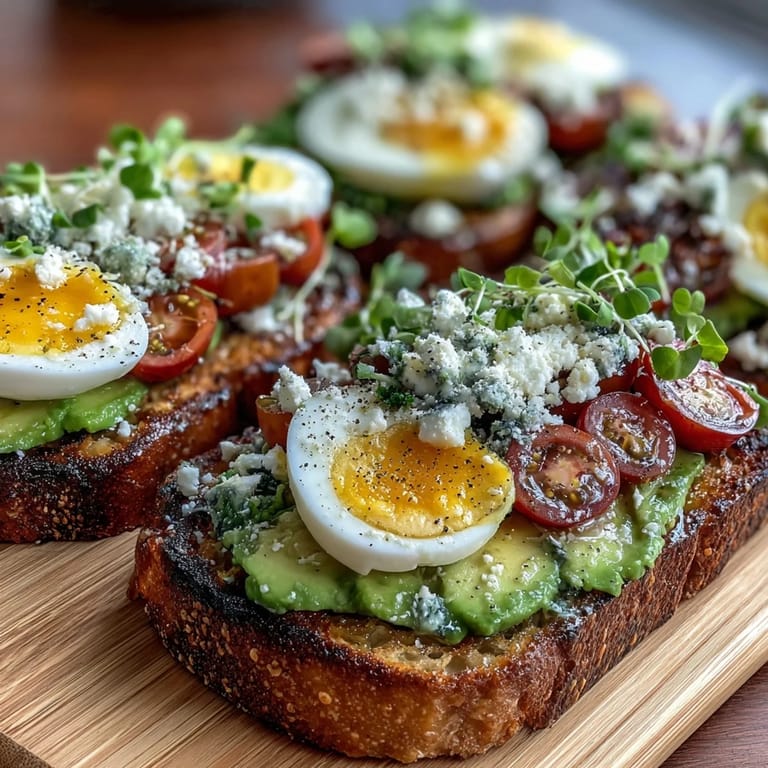
- Radishes (6, thinly sliced): They bring a peppery snap that cuts through the richness and their pink color makes the board actually beautiful.
- Cherry tomatoes (1 cup, halved): Cherry tomatoes taste like tomatoes, unlike their larger cousins in winter; wait for peak season if you can.
- Feta or goat cheese (1/2 cup crumbled): The tang is essential—it prevents the board from becoming one-note creamy, and crumbling it yourself means better texture than pre-crumbled.
- Toasted pumpkin seeds (1/4 cup): Toast them yourself if you have time; they add earthiness and a textural contrast that feels intentional.
- Microgreens or baby arugula (1/4 cup): These are the final touch that makes people think you spent hours on this—they're actually the easiest part.
- Hard-boiled eggs (4, sliced): They add protein and substance; cook them the day before so you're not boiling eggs while everything else needs attention.
- Pickled red onions (1/4 cup): The acidity and color are non-negotiable; store-bought work fine but homemade ones (just red onions, vinegar, sugar, salt) sit in your fridge for weeks.
- Extra-virgin olive oil (2 tbsp) and red pepper flakes: The oil adds luxury and the flakes add heat—both are finishing touches that feel small but completely change how the board tastes.
Tired of Takeout? 🥡
Get 10 meals you can make faster than delivery arrives. Seriously.
One email. No spam. Unsubscribe anytime.
Instructions
- Toast the bread until it's golden and actually crisp:
- Don't just barely warm it—you want that crunch that stands up to moisture. Toast in batches so you're not crowding the toaster, then arrange the pieces on your board while they're still warm enough that the butter side stays shiny.
- Mash the avocados while they're still at their peak:
- Scoop them into a bowl with lemon juice, salt, and pepper, then mash with a fork until it's creamy but still has texture—not baby food smooth. The lemon keeps everything from turning that sad gray color within ten minutes.
- Spread or serve the avocado for customization:
- You can either spread it on each toast yourself, or put it in a small bowl and let people do it—the second option means you're not standing there being a short-order cook. Either way works depending on your mood and how many people are watching.
- Arrange all your toppings in small bowls or directly on the board:
- If you use bowls, people can grab what they want; if you arrange them on the board itself, it looks more impressive. I usually do a mix—the colorful things get their own space and the board becomes this edible landscape.
- Finish with oil, heat, and salt:
- Drizzle good olive oil over the avocado toasts, sprinkle red pepper flakes for anyone who wants heat, and finish with flaky sea salt that people can actually taste and feel. Serve lemon wedges because the squeeze at the end is what makes someone say the board was perfect.
 Pin it
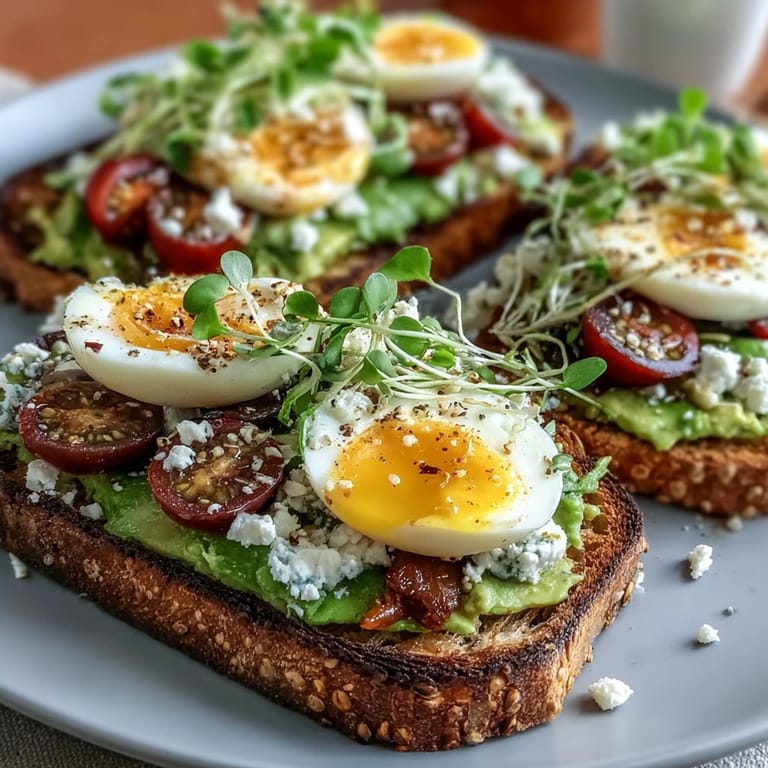
 I learned the power of this board when my friend who usually doesn't eat breakfast came back for thirds, just quietly building different combinations while we talked. She wasn't thinking about it as a meal—she was thinking about it as play, as choice, as permission to have exactly what she wanted in that moment. That's what a good board does.
The Board as Theater
There's something about presenting food this way that changes how people engage with it. Instead of plating individual servings, you're creating an experience where guests are architects of their own meal. The board becomes a conversation starter, a reason to stay at the table longer, a way to learn what your friends actually prefer when they're not defaulting to politeness. I've noticed people eat slower, taste more intentionally, and actually enjoy the combination they create rather than just consuming what was handed to them.
Timing Your Prep
The beauty of this recipe is that almost everything can be done ahead. Hard-boil your eggs the night before, slice your radishes and store them in water so they stay crisp, and make pickled onions whenever—they're basically indestructible in the fridge. The only things that need to happen close to serving time are toasting the bread and mashing the avocados, which combined takes maybe ten minutes. This means you can actually enjoy your guests instead of stress-cooking in the final hour.
Adapting for Your Crowd
The magic of this board is that it bends to whatever your people need. Vegan guests? Skip the cheese and eggs, add extra seeds and greens, nobody feels like they're eating a punishment meal. Gluten-free friends? Toast gluten-free bread and suddenly it works for them too. I've added smoked salmon for non-vegetarians, roasted chickpeas for extra protein, even fresh berries when spring felt like it was happening too fast. The avocado base is the anchor and everything else is just riffing on what makes sense that day.
- Swap dairy cheese for vegan versions or skip it entirely if it works better for your group.
- Roasted chickpeas or smoked salmon can add protein without requiring multiple different meals.
- Fresh herbs like cilantro or dill can brighten the board if you have them on hand.
 Pin it
 This board has become my go-to move for entertaining because it looks like you spent hours while actually respecting your own time. More than that, it trusts your guests to know what they like, which somehow makes people feel genuinely welcome at your table.
Recipe FAQ
- → What type of bread works best for this toast board?
Sourdough and multigrain breads provide a sturdy, flavorful base that toasts well and complements the toppings.
- → How can I keep the avocado spread from browning?
Mixing the avocado with lemon juice helps slow oxidation and maintain its vibrant green color.
- → Are the toppings customizable?
Absolutely! Feel free to swap or add ingredients like smoked salmon, vegan cheese, or additional fresh vegetables to suit your taste.
- → What is the purpose of the olive oil drizzle?
The olive oil adds richness and helps meld the flavors, enhancing the texture and mouthfeel of the toppings.
- → Can this dish be prepared ahead of time?
For best freshness, prepare toppings and avocado spread separately and assemble just before serving to avoid sogginess.