 Pin it
 There's something magical about the sound of shrimp hitting a hot wok, that immediate sizzle that fills your kitchen with something alive and urgent. I stumbled onto this noodle bowl during a week when I had exactly thirty minutes and a fridge that needed emptying, and somehow it became the dish I crave now whenever I want to feel capable in the kitchen. The balance of sweet, salty, tangy, and spicy all happening at once reminded me why Asian food feels like a conversation between flavors rather than a monologue. It's become my go-to when friends drop by unexpectedly or when I need dinner that tastes like I actually know what I'm doing.
I made this for my partner's parents one evening when they were visiting unexpectedly, and I watched their faces light up as they took that first bite and realized there were actual textures happening, not just noodles and broth. My mother-in-law asked for the recipe on the spot, and that moment of validation—realizing I'd created something that felt special and intentional—made me fall in love with cooking all over again.
Ingredients
- Medium shrimp, peeled and deveined (400 g): Look for shrimp that smell like clean ocean, not ammonia—that's your first sign of freshness. I learned the hard way that slightly larger shrimp hold up better to the heat and won't turn rubbery if you're not watching the clock.
- Rice noodles (200 g): These delicate strands cook quickly and won't turn into mush if you're a bit distracted, which honestly makes them the perfect noodle for weeknight cooking.
- Zucchini and carrot, julienned (1 medium and 1 large): The thin cut matters here because it means everything cooks in the same two minutes without you standing there micromanaging.
- Garlic, minced (2 cloves): This is your aromatic anchor, the smell that tells you something delicious is happening—don't skip it and definitely don't brown it.
- Green onions, sliced (3): They add a fresh bite at the end that prevents the whole bowl from feeling heavy or one-note.
- Soy sauce (3 tbsp): Use gluten-free tamari if you need to, and taste as you go because salt levels vary wildly between brands.
- Lime juice (2 tbsp): This brightens everything and keeps the sauce from tasting like a puddle of salt and oil.
- Sesame oil (1 tbsp): A little goes a long way here—its nuttiness is the backbone that makes people ask what that incredible flavor is.
- Honey or maple syrup (1 tbsp): The sweetness rounds out the salty-tangy notes and feels almost like a secret ingredient nobody can quite identify.
- Chili garlic sauce (1 tsp, optional): I've learned this is the move if you like heat, but skip it entirely if your guests are cautious about spice.
- Roasted peanuts, chopped (50 g): They provide that crucial crunch and protein boost, but buy them already roasted unless you want your kitchen to smell like a peanut factory for three days.
- Fresh cilantro leaves (1/3 cup): This final garnish matters more than you'd think—it transforms the bowl from tasty to memorable.
- Lime wedges: Keep these on the side so people can adjust the tang to their preference.
Tired of Takeout? 🥡
Get 10 meals you can make faster than delivery arrives. Seriously.
One email. No spam. Unsubscribe anytime.
Instructions
- Get your noodles ready:
- Cook the rice noodles according to the package (usually around four minutes), then drain and rinse them under cold water until they stop steaming. This stops them from cooking further and keeps them from sticking together into a clump.
- Build your sauce:
- Whisk together the soy sauce, lime juice, sesame oil, honey, and chili garlic sauce in a small bowl—doing this now means you're not scrambling later when everything is hot and moving fast. Taste it on a spoon and adjust if it feels too salty or not bright enough.
- Start with garlic:
- Heat your skillet or wok over medium-high heat with a splash of oil, then add the minced garlic and let it perfume the pan for about thirty seconds. You want your kitchen to smell incredible, but you don't want it burnt, so listen for that fragrant moment and move quickly.
- Cook the shrimp:
- Add the shrimp to the hot pan and let them cook undisturbed for about a minute, then turn them over and cook for another two minutes until they've turned pink all over. The moment they're done, they're done—overcooking them turns them into little rubber erasers, and nobody wants that.
- Sauté your vegetables:
- Push the shrimp to the side and add the julienned zucchini and carrot to the same pan, stirring occasionally for two to three minutes. You're looking for that moment where they're still snappy but have lost their raw edge.
- Bring it together:
- Add the cooked noodles, green onions, and sauce to the pan and toss everything constantly until the noodles are glossy and warm and all that sauce has coated everything evenly. This is where the magic happens and where it starts smelling like something you ordered from a restaurant.
- Finish and serve:
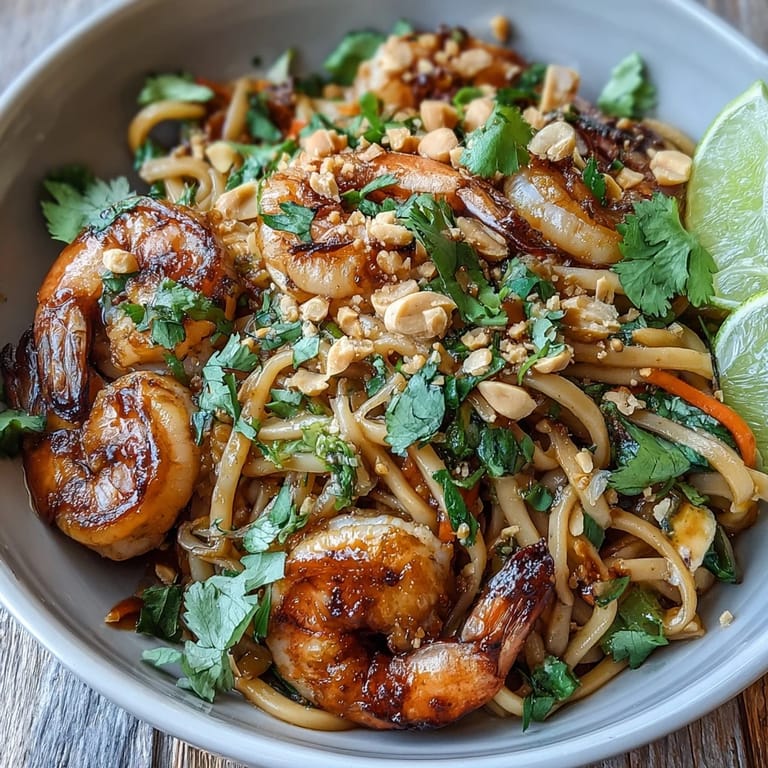
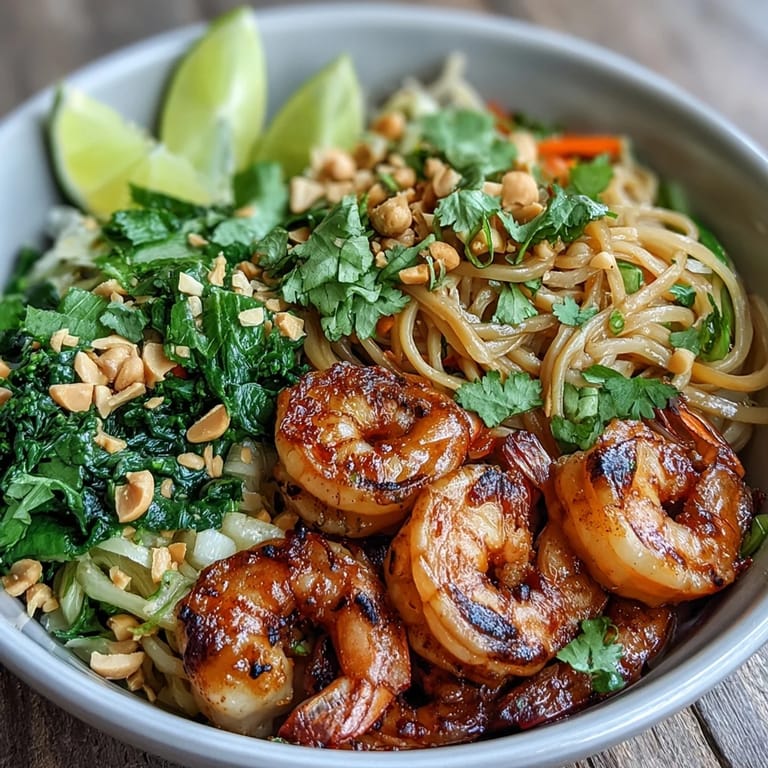
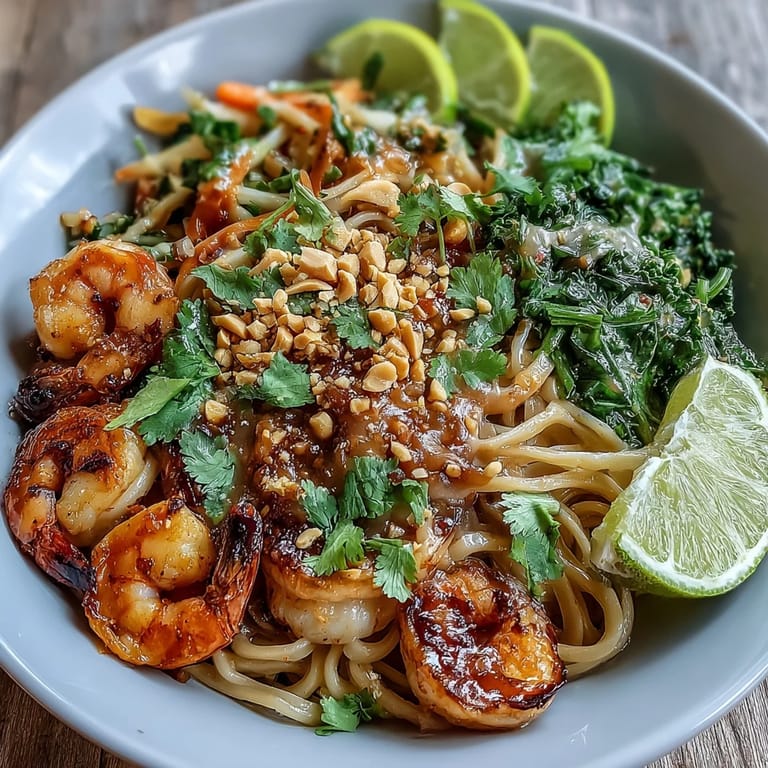
- Gently fold the shrimp back in, divide the mixture among four bowls, and top each one generously with peanuts, cilantro, and a lime wedge. Let people squeeze their own lime to control the brightness—it's their bowl, after all.
 Pin it
 I remember watching a friend take one bite and close her eyes like she was somewhere far away, and in that moment I realized that good food isn't about complexity or fancy techniques—it's about getting every element to show up at exactly the right time. That's when this bowl stopped being a weeknight dinner and became something I make when I want people to feel taken care of.
Variations and Swaps That Actually Work
Shrimp is my preference, but I've made this bowl a dozen different ways depending on what's in my kitchen and what my guests eat. Chicken breast cut into bite-sized pieces works beautifully if you're avoiding shellfish, as does crispy tofu if you want to keep everything plant-based. I once added thinly sliced red bell pepper and snap peas on a spring evening when I wanted more color, and it became my new template for the season.
The Sauce Is Everything
The sauce is where this bowl gets its personality, and I've learned that the ratio matters less than the balance of salt, sweet, and sour hitting your palate at the same time. One night I used lime that wasn't quite ripe and the whole thing tasted flat, so now I always taste the lime juice before committing it. If you're making this for someone with dietary restrictions, the gluten-free tamari swap is seamless, and honestly, I've stopped using regular soy sauce altogether because nobody notices the difference.
Timing Tips and Kitchen Truths
The whole bowl comes together in under ten minutes once you start cooking, which means mise en place is your best friend here—have everything cut, measured, and ready before you turn on the heat. I learned this after my first attempt when I was dicing vegetables while the shrimp sat in a cooling pan, and the whole timing fell apart. The secret is that each component should still be slightly warm when it hits the bowl, not piping hot or room temperature, which means you're essentially racing against time in the best way.
- Cook your noodles while you're preparing everything else so nothing ever sits around getting cold.
- If you're cooking for more than four people, make two batches instead of crowding one pan, because noodles and shrimp need actual space to develop flavor.
- Keep your lime wedges at the table so people can adjust the brightness right before eating—it's that final squeeze that makes it feel restaurant-quality.
 Pin it
 This bowl has saved countless dinners in my kitchen and proved to me that something delicious doesn't need to be complicated or time-consuming. Every time I make it, I remember why I love cooking: it's not about impressing people, it's about that moment when something you created becomes part of someone's good memory.
Recipe FAQ
- → Can I make this dish gluten-free?
Yes, simply use gluten-free soy sauce or tamari in place of regular soy sauce. Most rice noodles are naturally gluten-free, but always check the package to be certain.
- → What other proteins work well in this bowl?
Tofu, chicken, or even beef make excellent substitutes for shrimp. Firm tofu works particularly well when pan-fried until golden before adding to the vegetables and noodles.
- → How do I prevent rice noodles from sticking together?
After cooking, rinse the noodles thoroughly with cold water to stop the cooking process and remove excess starch. Toss them with a small amount of oil if storing before use.
- → Can I prepare the sauce in advance?
Absolutely. The sauce can be made up to a week ahead and stored in an airtight container in the refrigerator. Give it a good whisk before using to recombine any separated ingredients.
- → What vegetables can I add for more variety?
Snap peas, bell peppers, bok choy, or shredded cabbage would all complement the flavors beautifully. Add heartier vegetables like broccoli or carrots earlier in the cooking process so they have time to tenderize.
- → Is this dish spicy?
The base dish is mild to medium in heat, depending on your preference. The chili garlic sauce is optional, so you can easily adjust the spice level or omit it entirely for a family-friendly version.