 Pin it
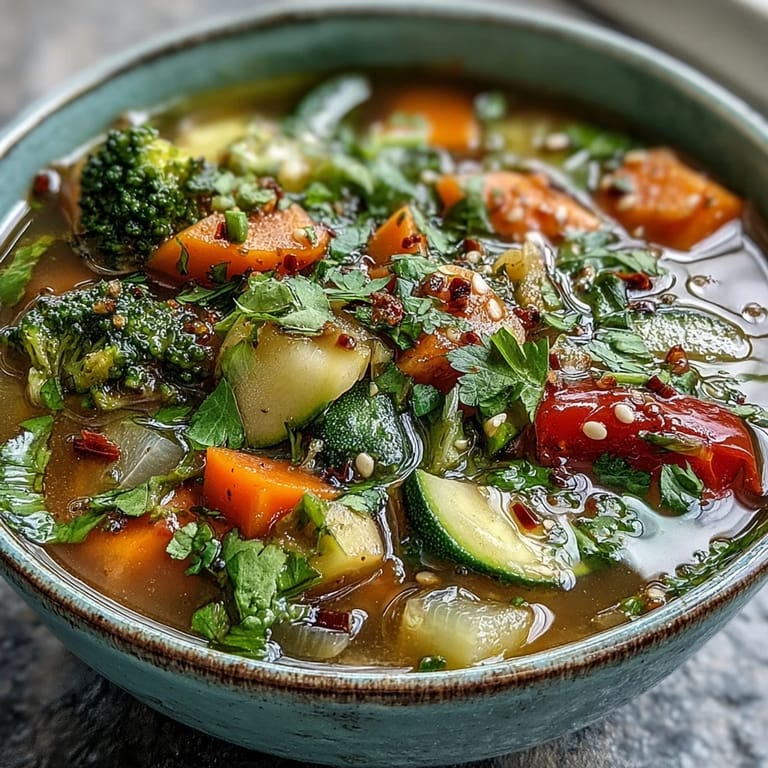
 My neighbor knocked on my door one gray afternoon with a chunk of fresh ginger, insisting I had to try her family's soup. She said it was what her grandmother made whenever anyone felt under the weather, but honestly, it became my go-to whenever I needed something that felt like a warm hug in a bowl. The kitchen filled with this incredible aroma—ginger, garlic, and something impossibly comforting—and I was hooked before the first spoonful.
I made this for my sister during her first week in a new apartment, when her kitchen was still mostly empty boxes. She sat at her makeshift table with a steaming bowl, and suddenly she wasn't stressed about the move anymore—just present, breathing in that ginger-laden steam. That's when I realized this soup does something special beyond just nourishing you.
Ingredients
- Fresh ginger: Don't skip the real stuff—those two tablespoons grated from fresh root create the soul of this soup, and ground ginger just won't deliver the same brightness.
- Onion, carrots, and celery: This humble trio forms the aromatic base, and taking five minutes to let them soften properly makes all the difference in depth of flavor.
- Garlic cloves: Three cloves minced fine release their essence quickly and evenly throughout the broth.
- Red bell pepper: The sweetness cuts through the ginger's intensity in the most harmonious way.
- Zucchini: This mild vegetable absorbs the broth flavors beautifully without overpowering anything.
- Broccoli florets: They hold their texture during simmering if you add them at the right moment, giving you something satisfying to bite into.
- Vegetable broth: Six cups of good quality broth matters—check labels for gluten-free certification if that applies to you.
- Olive oil: Just a tablespoon keeps things light while allowing the vegetables to toast slightly at the start.
- Sea salt and black pepper: Taste as you go; these let the vegetables' natural sweetness shine.
- Soy sauce or tamari: Optional, but that umami depth transforms good soup into something memorable.
- Fresh cilantro or parsley: The final green brightness that makes everything taste alive.
- Toasted sesame oil: A drizzle at the end adds an unexpected nuttiness that people always ask about.
Tired of Takeout? 🥡
Get 10 meals you can make faster than delivery arrives. Seriously.
One email. No spam. Unsubscribe anytime.
Instructions
- Start your foundation:
- Heat that tablespoon of olive oil in your largest pot over medium heat until it shimmers slightly. Add your diced onion, sliced carrots, and celery, then let them cook undisturbed for about five minutes, stirring occasionally—you want them to soften and turn slightly golden at the edges, which builds flavor.
- Wake up the aromatics:
- Toss in your minced garlic and grated ginger, stirring constantly for just two minutes until your whole kitchen smells incredible. You'll know it's right when the raw edge of the garlic disappears and everything becomes fragrant rather than sharp.
- Build your vegetable layer:
- Stir in the diced bell pepper, zucchini, and broccoli florets, giving everything a gentle toss. Let this cook for three more minutes, allowing the vegetables to start softening and releasing their flavors into the oil.
- Bring it together:
- Pour in all six cups of vegetable broth and increase the heat to bring everything to a gentle boil. Once you see those bubbles rolling, lower the heat to a simmer—you want steady, small bubbles, not a rolling boil that breaks down the vegetables.
- Season and simmer:
- Add your sea salt, black pepper, and soy sauce or tamari if using it. Let the whole thing simmer uncovered for fifteen to twenty minutes, which gives the vegetables time to become tender while keeping their integrity and allows all those flavors to marry together beaup The longer it simmers, the more the ginger's warmth deepens, so taste after fifteen minutes and decide if you want to keep going.
- Taste and adjust:
- This is crucial—give it an honest taste and adjust seasoning until it feels right to you. Sometimes it needs a pinch more salt, sometimes a squeeze of lime would make it sing, and that's perfectly fine.
- Serve with intention:
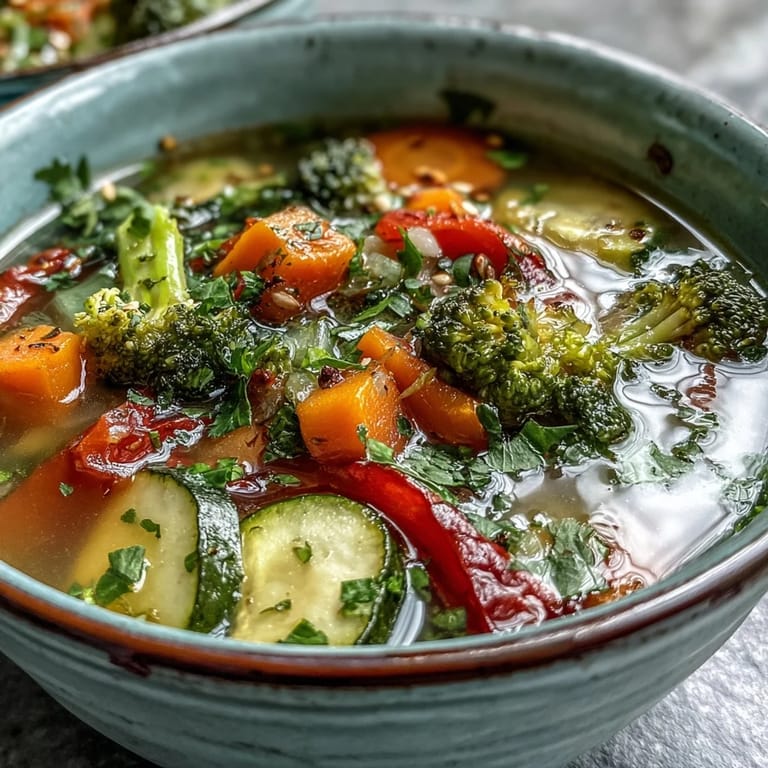
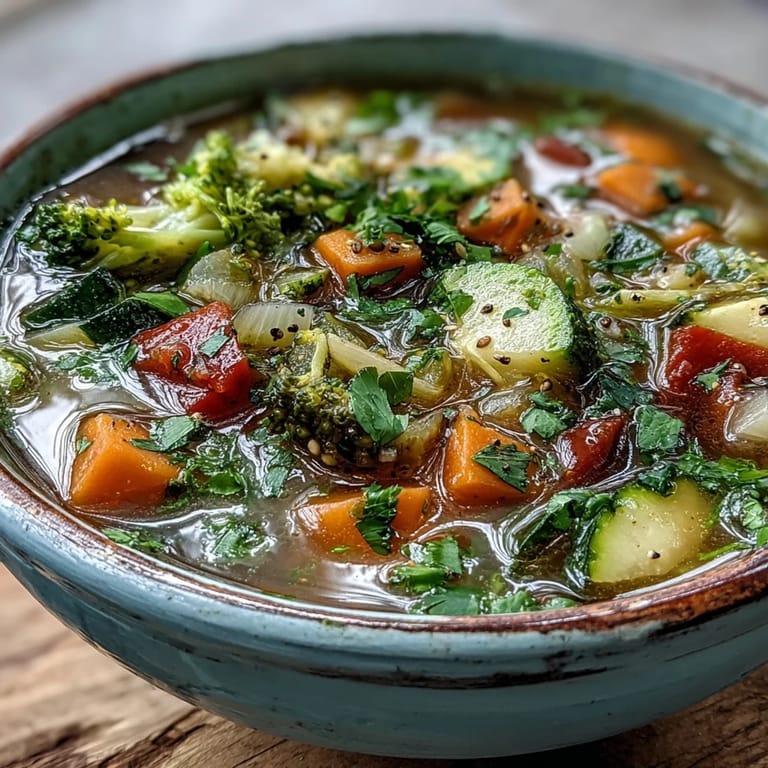
- Ladle into bowls with care, drizzle with that sesame oil if you have it, and shower with fresh cilantro or parsley. The heat of the soup will gently warm the herbs, releasing their brightness right as you're about to eat.
 Pin it
  Pin it
 There was something magical about watching my elderly neighbor's face light up when I brought her a container of this soup after her surgery. She said it was the first thing that didn't feel medicinal but still felt like medicine, and I understood exactly what she meant.
Vegetable Flexibility and Swaps
I've made this soup probably thirty times now, and I'd say only five of those have used the exact vegetable combination. Snap peas work beautifully if you're looking for a little crunch, spinach wilts in at the end for color and iron, mushrooms add an earthy complexity that ginger absolutely loves, and even diced cauliflower creates this creamy texture as it breaks down slightly. The formula stays the same—the ginger, the broth, the aromatics—so the vegetables become your canvas.
Making It More Substantial
Sometimes a soup needs to become a meal, and I've discovered several ways to make that happen. Cooked lentils stirred in during the last few minutes add protein and a subtle earthiness that complements the ginger beautifully, while tofu cubes absorb the broth flavors and make it satisfying enough for dinner. A handful of cooked rice noodles added to individual bowls just before serving transforms it into something almost ramen-like without the work.
Serving and Storage Wisdom
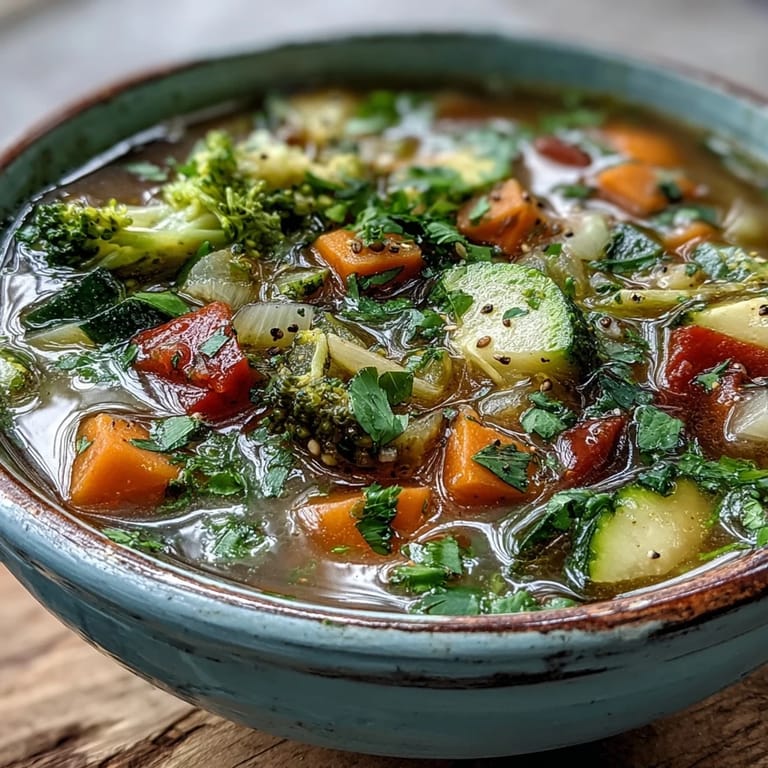
I always make extra because this soup tastes even better the next day—the flavors continue mingling and the ginger's warmth deepens overnight. It keeps beautifully in the refrigerator for four days and freezes wonderfully for up to three months, though I'd add fresh herbs after reheating rather than before storing. The beauty of this soup is how it adapts to your moment.
- Serve it with crusty bread for dipping or rice noodles for substance, depending on what you need.
- A squeeze of fresh lime juice right before eating brightens everything in the most unexpected way.
- Leftover soup reheated gently on the stove rather than the microwave maintains that silky texture better.
 Pin it
  Pin it
 This soup became my answer to so many moments—when someone needed comfort, when I wanted something quick but nourishing, when I was learning to cook for myself. It's taught me that the simplest dishes often carry the most meaning.
Recipe FAQ
- → Can I use frozen vegetables instead of fresh?
Yes, frozen vegetables work well. Add them directly to the broth without thawing, but reduce cooking time by 5-10 minutes since frozen vegetables cook faster.
- → How do I store leftover soup?
Store in an airtight container in the refrigerator for up to 4 days. Reheat on the stovetop or microwave. The soup also freezes well for up to 3 months.
- → Can I make this soup spicier?
Absolutely. Add red chili flakes, fresh jalapeños, or a dash of sriracha when sautéing the aromatics. Adjust the heat level to your preference.
- → What can I substitute for ginger?
While ginger is essential to this soup's character, you can use ground ginger (1 teaspoon) if fresh isn't available. Alternatively, try galangal for a similar aromatic profile.
- → How can I make this soup more filling?
Add cooked rice, rice noodles, quinoa, or cubed tofu. Chickpeas or white beans also work well for added protein and substance.
- → Is this soup good for meal prep?
Yes, this soup is excellent for meal prep. Make a large batch and portion into containers. The flavors actually develop and improve after a day in the refrigerator.