 Pin it
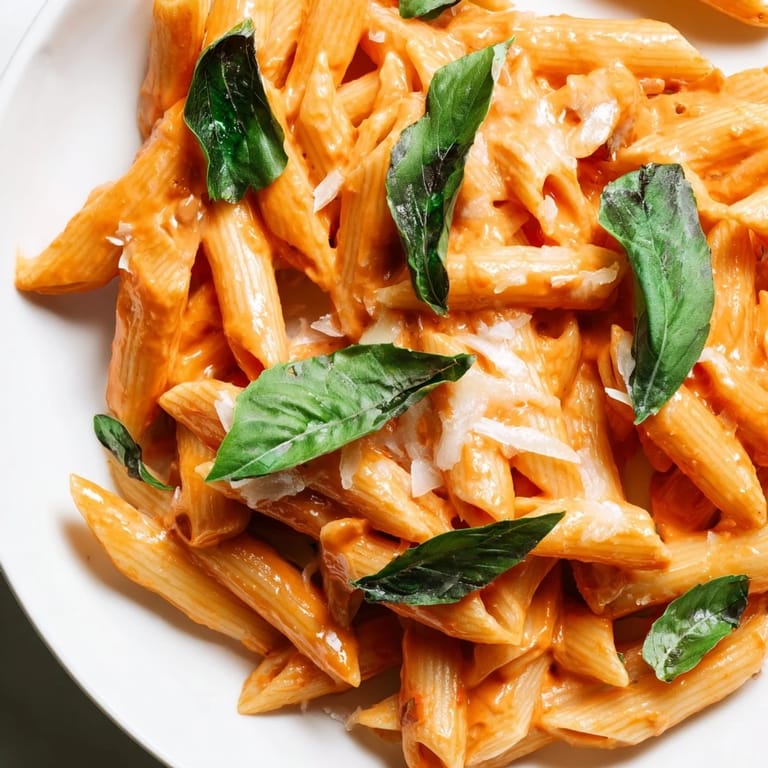
 My kitchen smelled like charred sweetness the evening I scorched my first batch of peppers under the broiler. I had forgotten them for exactly ninety seconds too long, but when I peeled away the blackened skin, the flesh underneath was tender and smoky in a way I never expected. That mistake taught me more about roasting peppers than any careful recipe ever could. Now, every time I make this pasta, I let the skins blister dark without fear. The sauce that comes from those peppers turns ordinary penne into something that tastes like summer trapped in a skillet.
I served this to a friend who swore she hated red peppers, and she scraped her bowl clean without saying a word. Halfway through her second helping, she looked up and asked what was in the sauce. When I told her, she laughed and said blending changes everything. That night reminded me how texture can be the only thing standing between love and dislike. Sometimes all an ingredient needs is a different shape.
Ingredients
- Penne or rigatoni (350 g): The ridges and tubes are essential here because they catch the creamy sauce in every bite, making each forkful satisfying and full.
- Red bell peppers (2 large or 1 jar): Fresh peppers bring a smokier depth when roasted yourself, but jarred ones save time on weeknights without sacrificing much flavor.
- Olive oil (2 tbsp): This carries the sweetness of the onion and garlic into the base of the sauce, creating a foundation that tastes warm and rounded.
- Yellow onion (1 small, diced): It softens into the background, adding a gentle sweetness that supports the peppers without competing.
- Garlic (3 cloves, minced): Use fresh garlic and let it bloom in the oil for just a minute so it perfumes the sauce without turning bitter.
- Heavy cream (120 ml): This transforms the blended peppers into something luxurious and velvety, smoothing out any sharpness.
- Parmesan cheese (40 g, grated): Freshly grated melts seamlessly into the sauce and adds a nutty, salty finish that balances the sweetness.
- Dried oregano (½ tsp): A whisper of earthiness that ties the sauce to its Italian roots without overwhelming the peppers.
- Crushed red pepper flakes (¼ tsp, optional): A subtle heat that builds slowly, making each bite a little more interesting than the last.
- Salt and black pepper: Season generously, tasting as you go, because the peppers and cream both need a confident hand with seasoning.
- Fresh basil leaves: Torn at the last second, they add a bright herbal note that cuts through the richness.
Tired of Takeout? 🥡
Get 10 meals you can make faster than delivery arrives. Seriously.
One email. No spam. Unsubscribe anytime.
Instructions
- Roast the peppers:
- If using fresh peppers, char them over an open flame or under the broiler until the skins blister and blacken in spots. Let them steam in a covered bowl for 10 minutes, then peel away the skin, remove the seeds, and chop roughly.
- Boil the pasta:
- Bring a large pot of salted water to a rolling boil and cook the penne until al dente, following the package timing. Before draining, scoop out half a cup of the starchy pasta water and set it aside.
- Sauté the aromatics:
- Heat olive oil in a large skillet over medium heat, then add the diced onion and cook until it turns soft and translucent, about 3 to 4 minutes. Stir in the minced garlic and let it cook for just a minute until fragrant.
- Blend the sauce:
- Add the roasted red peppers to the skillet and cook for 2 minutes to let the flavors meld. Transfer everything to a blender and puree until completely smooth, or use an immersion blender directly in the pan.
- Finish the sauce:
- Pour the blended mixture back into the skillet over low heat, then stir in the heavy cream, Parmesan, oregano, and red pepper flakes if using. Season with salt and black pepper, and let it simmer gently for 2 to 3 minutes until warmed through, thinning with reserved pasta water if needed.
- Toss and serve:
- Add the drained pasta to the sauce and toss until every piece is glossy and coated. Serve immediately, topped with torn basil and extra Parmesan.
 Pin it
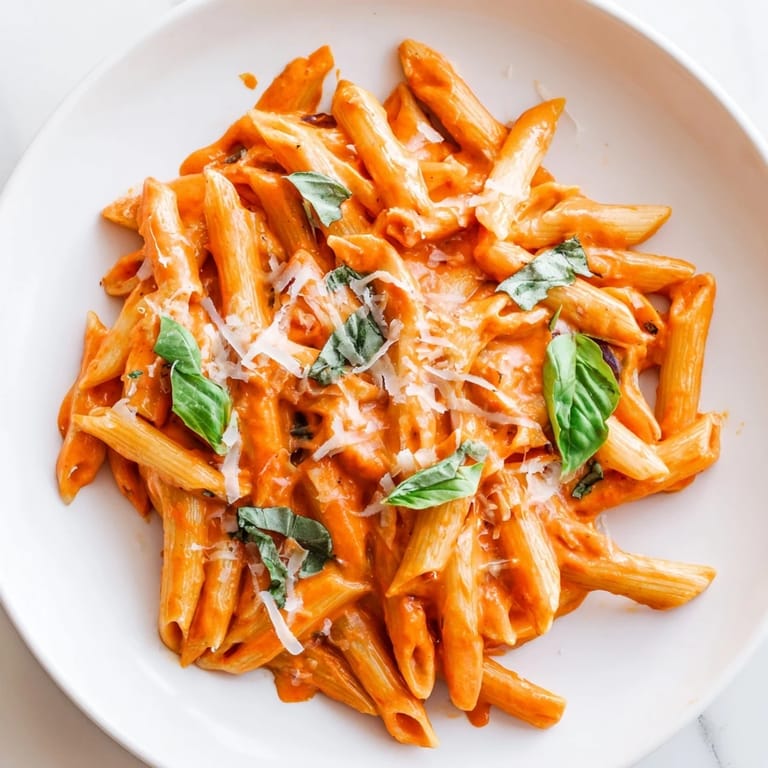
 One rainy Tuesday, I made this for myself with nothing but a jar of peppers and half a box of pasta, and it felt like I had given myself a gift. There was no occasion, no one to impress, just me and a bowl of something warm and red and completely satisfying. That is when I realized this recipe does not need an audience to matter.
Making It Your Own
This sauce is forgiving and adaptable in ways that make it easy to stretch or shift depending on what is in your fridge. I have stirred in handfuls of spinach at the end, draped grilled chicken over the top, and tossed in roasted zucchini when summer squash was taking over my counter. If you want it vegan, swap the cream for coconut cream and use nutritional yeast or vegan Parmesan, the sauce stays creamy and full bodied. Sometimes I add a splash of white wine to the onions before blending, which gives the sauce a brighter, more layered flavor.
What to Serve Alongside
This pasta does not need much company, but a simple arugula salad with lemon and olive oil cuts through the richness beautifully. I like to serve it with crusty bread for dragging through any sauce left in the bowl, because wasting even a spoonful feels wrong. A crisp white wine like Pinot Grigio or a light Vermentino mirrors the brightness of the peppers without overwhelming them. If you are feeding a crowd, pair it with roasted broccoli or a platter of marinated olives and cheese.
Storage and Reheating
Leftovers keep well in an airtight container in the fridge for up to three days, and the sauce actually thickens and deepens in flavor as it sits. When reheating, add a splash of water or cream to loosen the sauce, and warm it gently on the stove rather than the microwave to keep the texture silky. I have also frozen the sauce on its own without the pasta, and it thaws beautifully for a faster weeknight meal.
- Store pasta and sauce together if you plan to eat it within two days.
- Freeze the sauce in portions for up to two months and cook fresh pasta when ready.
- Reheat gently over low heat, stirring often to prevent the cream from separating.
 Pin it
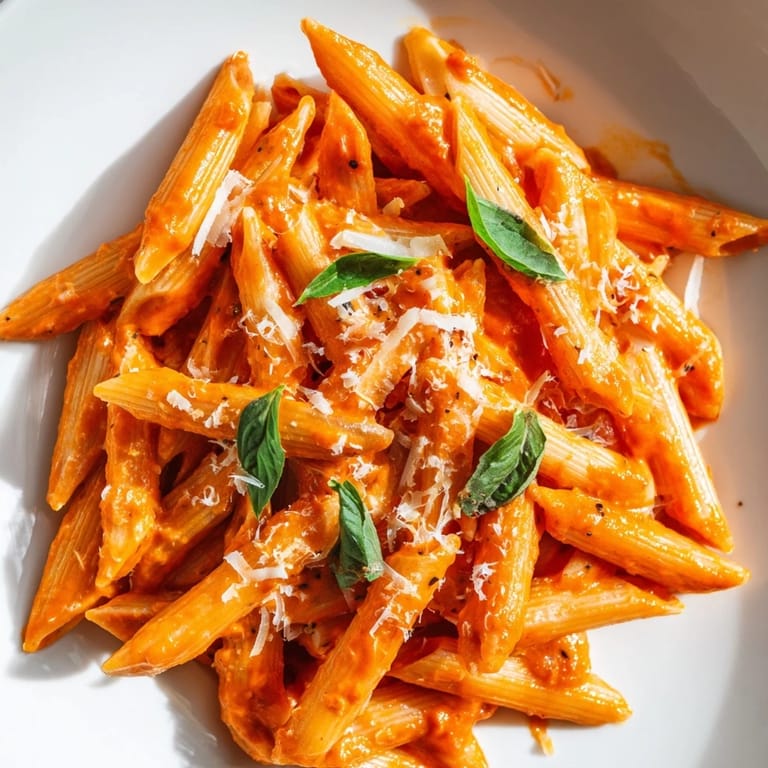
 This is the kind of pasta that makes you feel capable, even on days when nothing else does. It asks very little and gives back something warm, bright, and entirely worth the effort.