 Pin it
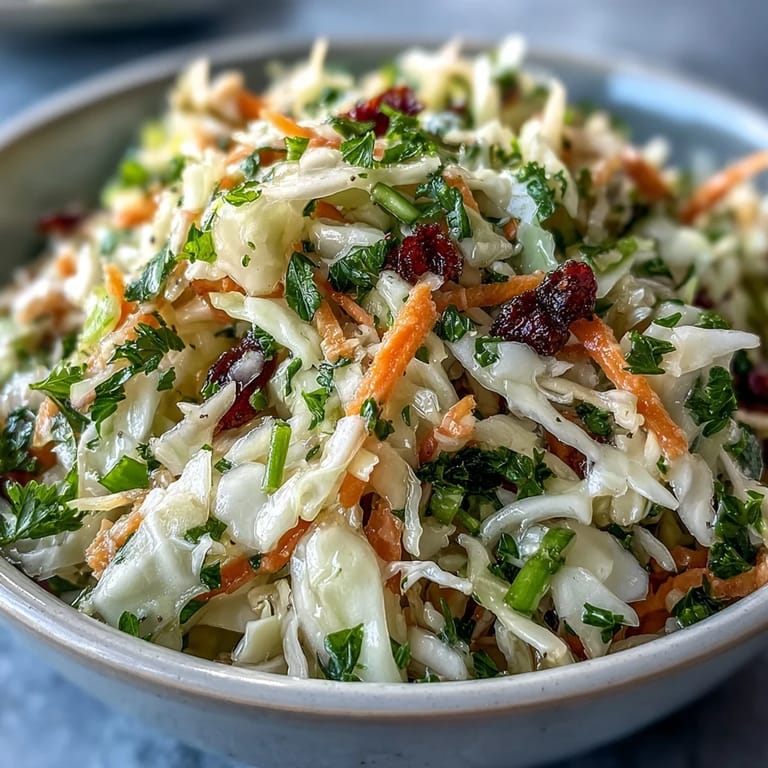
 My neighbor handed me a jar of homemade sauerkraut last summer, and I stood in my kitchen wondering what on earth to do with it beyond the typical hot dog situation. That's when I started playing around with this slaw, and it became the thing I'd make on repeat whenever I needed something alive and crunchy on the plate. The tanginess cuts through rich foods like nothing else, and somehow it tastes even better the next day.
I made this for a potluck where everyone brought the expected warm casseroles, and watching people's faces light up when they tasted something cold, crunchy, and genuinely interesting was worth every minute. One friend asked for the recipe right there with a mouthful of slaw, which I consider a total win.
Ingredients
- Sauerkraut, drained and lightly squeezed: This is your base note, so choose one you actually enjoy tasting straight from the jar—some are gentler than others, and the quality makes a real difference in the final dish.
- Green cabbage, finely shredded: It adds freshness and keeps the slaw from tasting one-dimensional, balancing out the fermented intensity.
- Carrot, grated: Beyond the natural sweetness, it brings a textural element that makes each bite interesting.
- Red bell pepper, thinly sliced: This adds both visual brightness and a subtle sweetness that plays nicely against the vinegar.
- Green onions, thinly sliced: They give you a sharp, oniony punch without overwhelming the other flavors.
- Fresh parsley, chopped: It keeps everything feeling alive and fresh, not heavy.
- Extra-virgin olive oil: Don't cheap out here because you're going to taste it directly, and good oil makes all the difference.
- Apple cider vinegar: The acidity keeps the slaw bright and ties all the flavors together.
- Dijon mustard: Just a teaspoon adds depth and helps emulsify the dressing slightly.
- Maple syrup or honey: A touch of sweetness balances the tang and prevents the whole thing from tasting too sharp.
- Black pepper and salt: Season to your preference because everyone's palate is different, so trust yourself on the amounts.
Tired of Takeout? 🥡
Get 10 meals you can make faster than delivery arrives. Seriously.
One email. No spam. Unsubscribe anytime.
Instructions
- Gather your vegetables and start shredding:
- Get everything prepped and in front of you—it actually goes faster when you're not hunting for the grater. The sauerkraut should be squeezed gently but not wrung out like a dishrag, or you'll lose some of that flavorful brine.
- Make the dressing in a separate bowl:
- Whisking the oil and vinegar together with the mustard helps emulsify everything slightly, creating a smoother dressing that coats the vegetables better than if you just dumped everything together.
- Combine vegetables and dress generously:
- Toss everything together using your hands or two wooden spoons, making sure every piece gets coated. Don't be shy with the dressing because the slaw will absorb it as it sits.
- Taste and adjust:
- This is the moment to trust yourself—add more salt if it tastes flat, more vinegar if you want it sharper, or a pinch more sweetness if your palate leans that way.
- Let it rest before serving:
- Sitting for 10 minutes allows the flavors to marry together, and honestly, you can make this hours ahead and it'll only get better.
 Pin it
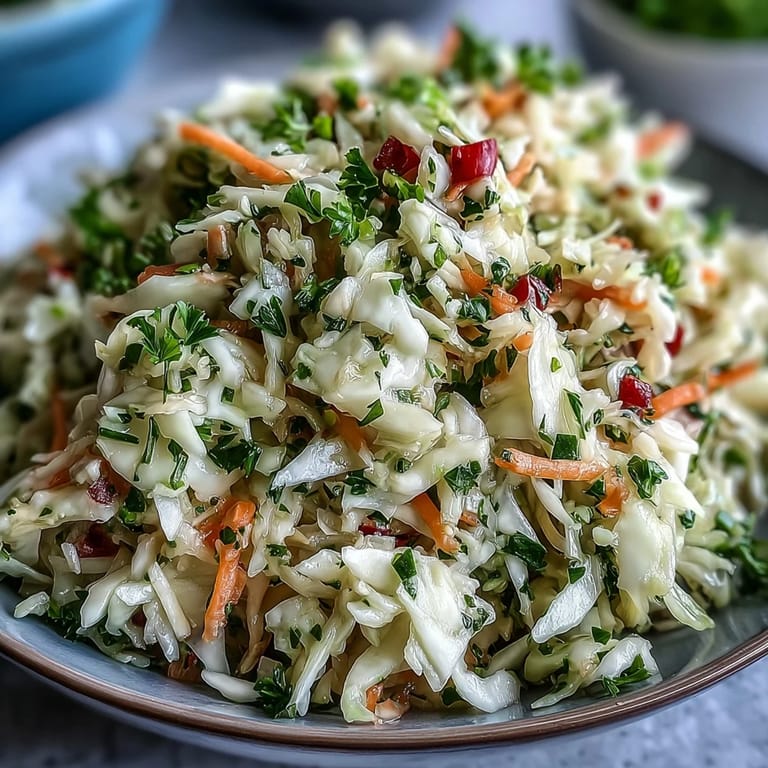
 I served this alongside grilled fish last week, and the way the tanginess cut through the richness was genuinely revelatory—it made me realize this slaw isn't just a side dish, it's a flavor equalizer that makes everything around it taste better. That's when a recipe stops being just instructions and becomes something you reach for again and again.
When to Add Extra Texture
If you're making this a day ahead, consider holding off on any add-ins like seeds or radishes until right before serving, or they'll lose their crunch. I learned this the hard way when I made the slaw for a picnic the night before and everything turned soft by lunchtime.
Pairing Ideas That Actually Work
This slaw doesn't just sit on the plate looking pretty—it actively improves whatever it's next to. The brightness cuts through richness, the probiotics aid digestion, and the crunch provides contrast to soft or tender proteins. Think grilled sausages, roasted fish, pulled pork sandwiches, or even tacos where it would replace traditional cabbage slaw.
Storage and Next-Day Magic
Unlike most slaws that get sad and watery overnight, this one actually gets better as it sits because the flavors deepen and the vegetables soften just enough to absorb more dressing. Store it in an airtight container for up to three days, and it makes an excellent lunch companion or quick dinner side without any effort.
- Make it the morning of if you're serving it that night for maximum crunch and fresh vegetable texture.
- If you're adding seeds or nuts for texture, stir them in right before serving rather than mixing them in ahead of time.
- Keep tasting as days pass because the fermented cabbage will continue developing its flavor, and you might find you prefer it at day two or three.
 Pin it
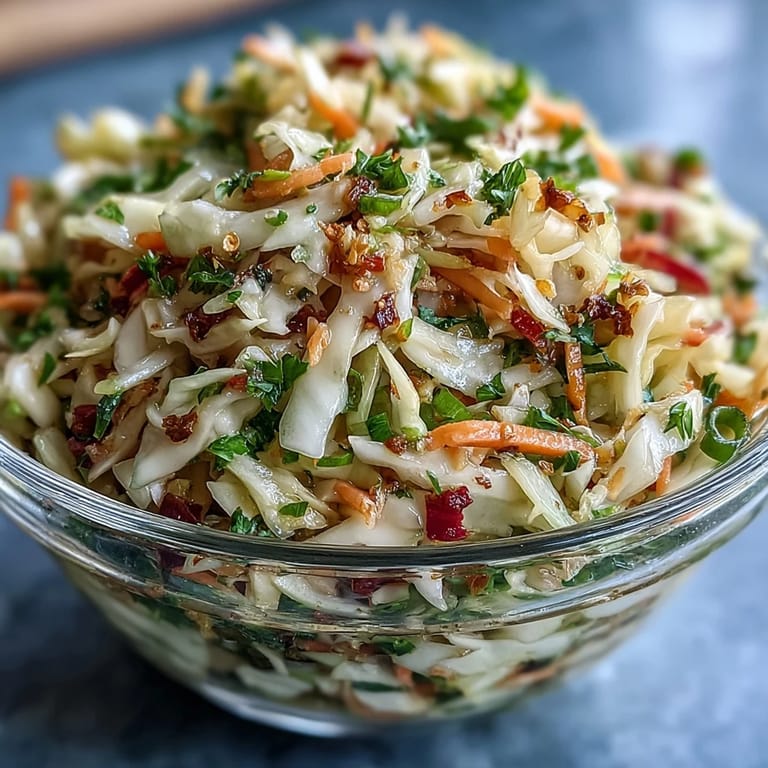
 This recipe proves that simple doesn't mean boring, and that some of the best dishes are just vegetables treated with care and respect. Make it tonight, and you'll probably make it again next week.
Recipe FAQ
- → How long should sauerkraut slaw sit before serving?
Let the slaw rest for 10 minutes after tossing with the dressing. This brief resting period allows the vinegar and oil to penetrate the vegetables slightly while maintaining their crisp texture. The flavors meld together beautifully, creating a more cohesive dish.
- → Can I make this sauerkraut slaw ahead of time?
Yes, you can prepare it up to 24 hours in advance. Store it in an airtight container in the refrigerator. The vegetables will soften slightly over time, but the fermented cabbage naturally preserves crunch. Give it a good toss before serving to redistribute the dressing.
- → What vegetables can I add for more variety?
Thinly sliced radishes, fennel bulb, or julienned kohlrabi add excellent crunch and flavor. Cucumber provides freshness, while shredded Brussels sprouts offer more depth. Toasted sunflower or pumpkin seeds contribute satisfying texture and nutty notes.
- → Is homemade sauerkraut better than store-bought?
Homemade sauerkraut offers superior flavor and probiotic content since you control fermentation time and salt levels. However, quality store-bought raw fermented varieties work perfectly. Avoid pasteurized versions, as heat processing destroys beneficial bacteria.
- → What main dishes pair well with sauerkraut slaw?
This slaw complements grilled bratwurst, pork chops, or roasted chicken beautifully. The acidity cuts through rich meats while refreshing the palate. It also adds tang and crunch to fish tacos, burgers, or served alongside roasted vegetables and grains.
- → Can I use honey instead of maple syrup?
Both sweeteners work well to balance the acidity. Maple syrup adds a subtle caramel note, while honey provides floral sweetness. Note that honey isn't suitable for strict vegans. For a sugar-free option, omit the sweetener entirely or use a pinch of stevia.